

How to Turn "Check-Givers" Into Partners: The Secret to Stronger Funder Relationships

Picture this: It’s 9:00 AM on a Tuesday. You’re sitting in a sleek, glass-walled conference room, clutching a lukewarm latte and a 40-page slide deck. Across from you sits a foundation officer who has the power to either greenlight your next big project or send you back to the drawing board. You deliver the pitch of your life, they nod politely, and three weeks later, a check arrives in the mail.
Success, right? Well, yes, but also, maybe not.
If that check is the only thing you get, you’re stuck in the "Check-Giver" cycle. It’s transactional, it’s stressful, and let’s be honest, it’s a bit like dating someone who only texts you when they need a favor. In the world of nonprofit leadership, we often treat funders like high-stakes ATMs rather than what they actually should be: strategic partners.
As we navigate the complexities of 2026, the landscape of philanthropy is shifting toward trust-based models. If you want to scale your impact without losing your mind (or your mission), it’s time to stop chasing checks and start building partnerships.
Here is how we turn the tide.
1. Reframe the Relationship (Ditch the ATM Mindset)
The biggest barrier to strong funder relationships isn't your budget or your metrics, it’s your mindset. Many leaders approach funders with a sense of "please and thank you" desperation. We feel we have to be perfect, present only the wins, and hide the "messy middle" of organizational growth.
But here’s the secret: Funders are tired of the perfection facade. They know leadership is hard. When you treat a funder as a thought partner instead of just a source of capital, you open the door to a much deeper level of engagement.
Instead of asking, "How can I get them to fund this?" ask, "How can their expertise help us solve this problem?" This shift changes the power dynamic from a hierarchy to a collaboration. When you invite them into the "why" and the "how," they become invested in the outcome, not just the output.
2. Bring Them Into the Kitchen
In the culinary world, the "Chef’s Table" is the most coveted seat in the house because you get to see the chaos, the craft, and the ingredients that go into the final dish. Your funders want that same level of access.
Involve your foundation staff in strategic decisions before they are finalized. Are you pivoting a major program? Scaling an initiative? Facing a weird operational hurdle? Reach out and ask for their perspective.
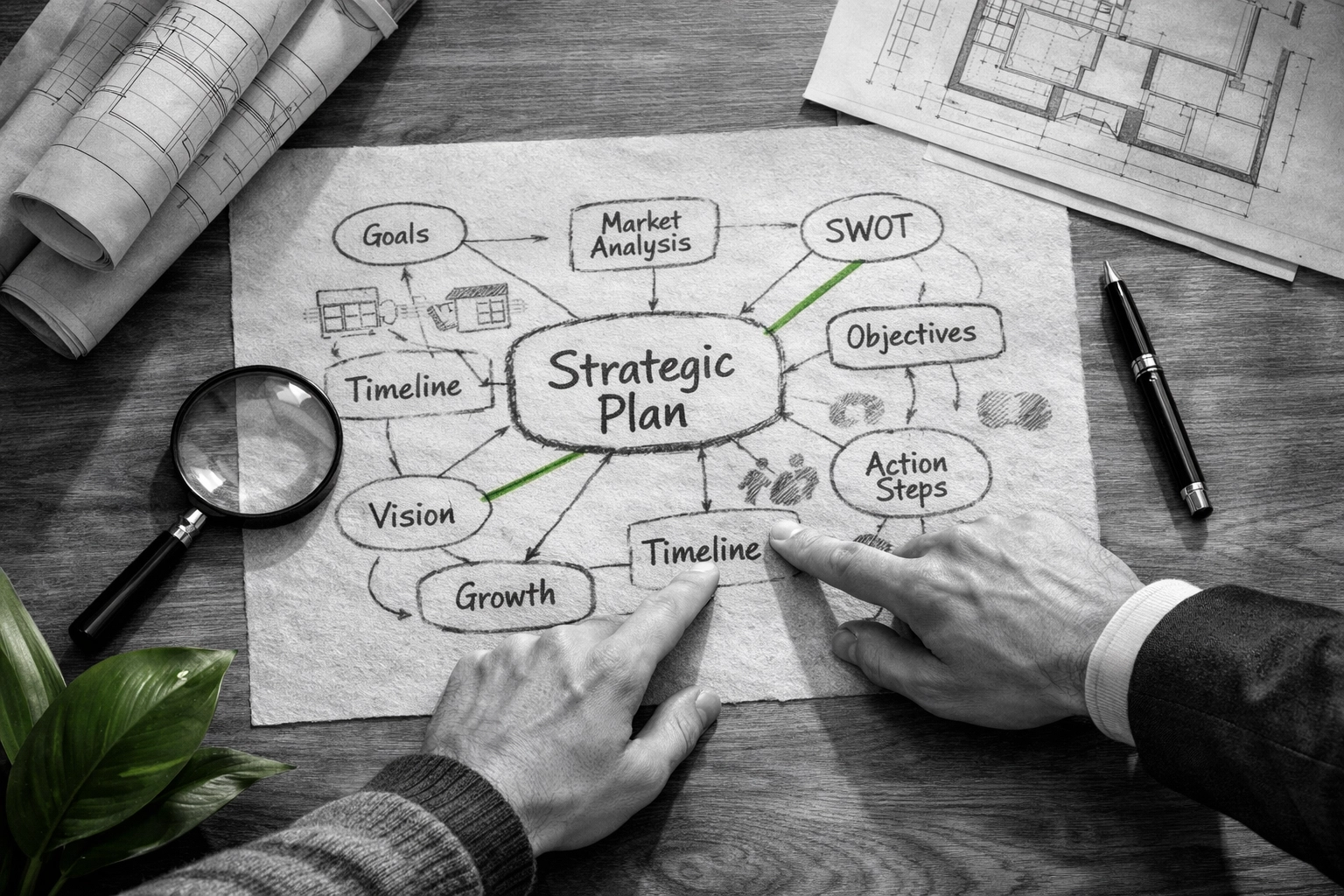
By asking for their insight, you’re signaling that you value their experience and their network, not just their bank account. This doesn't mean you give up your autonomy; it means you use their bird’s-eye view of the sector to sharpen your own strategy. This is a core component of nonprofit leadership training, learning how to leverage every asset at your disposal, including your funders’ brains.
Actionable Tip: Once a quarter, send a "No-Ask" update. Share one major win, one major challenge you’re currently chewing on, and one interesting article that influenced your thinking. No request for money. Just a brain-share.
3. Connection Happens in the "Off-Season"
If the only time a funder hears from you is during the grant application window or the annual report deadline, you don’t have a relationship; you have a subscription.
Strong partnerships are built during the "off-season." This means connecting through warm introductions, inviting them to sit in on a brainstorming session (not just a formal board meeting), or grabbing a coffee to talk about sector trends.

We often talk about board engagement as the key to success, but your funder engagement strategy should be just as robust. When you build empathy and genuine care face-to-face, you build a reservoir of trust that you can draw upon when things get rocky, and let’s face it, in leadership, things always get a little rocky eventually.
4. The Vulnerability Advantage (Yes, Really)
I know what you’re thinking: "Natalie, if I tell my funder we’re struggling with employee engagement or that our last pilot flopped, they’ll pull the plug!"
Actually, the opposite is usually true. In 2026, transparency is a CEO’s superpower. Foundations are increasingly moving toward trust-based philanthropy: in fact, a recent survey found that 89% of grantmakers support these practices. They want to see how you adapt.
When you are honest about your challenges, you build massive credibility. It shows you have the data-driven leadership skills to recognize a problem and the strategic guts to fix it.
Actionable Tip: When a project doesn't hit its targets, don't bury the data. Present it with a "Lessons Learned" framework. Show them exactly what the evidence says and how you’re using that evidence to pivot. That is the hallmark of an evidence-based strategy.
5. Lead with Shared Values, Not Just "Needs"
Nobody likes a one-sided conversation. If your pitch is entirely about your needs, your overhead, and your goals, you’re missing the point. Your funder has a mission, too.
Research their funding priorities deeply. Don't just look at what they fund; look at why they fund it. When you can demonstrate that your organization is a strategic vehicle for achieving their goals, the relationship transforms. You’re no longer a charity seeking a handout; you’re a partner helping them fulfill their own purpose.

This is where storytelling meets data. Use metrics to prove your effectiveness, but use stories to illustrate the human impact. Show the foundation staff the "ROI of Empathy": explain how investing in your staff’s retention and organizational health leads to better outcomes for the community they care about.
6. The Multiplier Effect of True Partnership
When you turn a check-giver into a partner, you gain more than just financial stability. You gain:
Referrals: Partners introduce you to other peer funders.
Multi-year Commitments: Trust leads to longer funding cycles, which reduces leadership burnout.
Flexibility: When crisis hits, partners offer "grace under pressure" rather than "compliance under fire."
Bridging the Gap
At GladED Leadership Solutions, we see this all the time: brilliant leaders who are so bogged down in the "busy-ness" of fundraising that they lose sight of the strategic vision. But remember, your funders are people too. They want to be part of something meaningful. They want to know their investment is making a dent in the universe.

By shifting your approach from transactional to relational, you’re not just securing a budget: you’re future-proofing your mission. You’re building a support system that will stand by you as you scale your impact and navigate the hurdles of 2026 and beyond.
So, the next time you’re preparing for that funder meeting, leave the 40-page deck at home (or at least trim it down). Instead, bring a question that shows you value their mind. Bring a story that shows your heart. And bring the data that shows your results.
That is how you turn a check into a change-making partnership.
Ready to level up your leadership? Whether you’re looking to align your board or dive deep into data-driven leadership, we’re here to help you lead with clarity and confidence. Let's build something great together.
References & Further Reading:
Trust-Based Philanthropy Project (2024 Survey Results)
Center for Effective Philanthropy: "The Grantee Experience"
GladED Leadership Solutions: Strategic Vision vs. Execution


Comments