

10 Reasons Your Board Engagement Isn't Working (And How to Fix It)

Picture this: You’ve spent three weeks perfecting a slide deck. You’ve crunched the numbers, highlighted the impact, and even found a font that says “we are professional but also very cool.” You walk into the boardroom, or open the Zoom link, ready to ignite a fire of strategic brilliance.
Instead, you’re met with the digital equivalent of crickets. One board member is clearly finishing an email, another is on mute with their camera off, and the third asks a question that was covered on page two of the report you sent out last Tuesday.
It’s frustrating, right? You’re leading a mission-driven organization, but your board feels more like a group of polite strangers than a powerhouse of strategic support. If you feel like you’re dragging your board across the finish line rather than running alongside them, you aren’t alone.
Board engagement isn't a "set it and forget it" feature. It’s an ecosystem that requires tending. Let’s dive into the ten reasons your board engagement might be on life support, and, more importantly, how we can perform some emergency CPR to bring it back to life.
1. The "What Exactly Do I Do Here?" Syndrome
The number one reason board members disengage? They have no idea what they’re actually supposed to be doing. Many high-achieving professionals join a board because they love the mission, but they aren't "board-ready." They know how to run a law firm or a marketing agency, but they don't know the nuances of nonprofit governance.
The Fix: Dust off those job descriptions. If you don't have them, it’s time to create them. A clear board member agreement should outline expectations for attendance, fundraising, and committee work.
Actionable Tip: Conduct a "Board Roles 101" refresher during your next meeting. Sometimes, a simple reminder of the difference between governance (the board’s job) and management (your job) can clear up a world of confusion.
2. The Information Firehose
We’ve all been there, sending a 75-page board packet forty-eight hours before a meeting and wondering why no one read it. Let’s be real: guessing games belong at parties, not in your board's inbox. If you overwhelm them with raw data without context, they’ll simply tune out.
The Fix: Move toward "Executive Summaries." Every major report should have a one-page "Cheat Sheet" that highlights three things: What happened, why it matters, and what we need from the board.

3. Your Meetings Are... Well, Boring
If your board meetings consist of you reading reports that were already sent in the packet, you are effectively training your board to be passive. Why should they engage if they’re just being talked at for ninety minutes?
The Fix: Implement a Consent Agenda. This allows the board to approve routine items (like previous minutes or standard financial reports) in one single vote without discussion. This frees up 70% of your meeting time for what actually matters: high-level strategic generative thinking.
Actionable Tip: Try the 20/80 rule. Spend 20% of the meeting looking backward (reports) and 80% looking forward (strategy and problem-solving).
4. The Mission Disconnect
Over time, board members can become disconnected from the "why." They see the balance sheets and the audit results, but they lose sight of the people your organization serves. When the work becomes purely academic, the passion fizzles out.
The Fix: Bring the mission into the room. Start every meeting with a "Mission Moment", a story from a client, a short video of a program in action, or even a live testimonial.
Actionable Tip: Schedule "Site Visit Days" where board members can shadow staff or see programs firsthand. Seeing the impact in person is worth a thousand spreadsheets. If you need help structuring these interactions, our custom group training can help bridge that gap.
5. You’ve Got the "Wrong" People in the Room
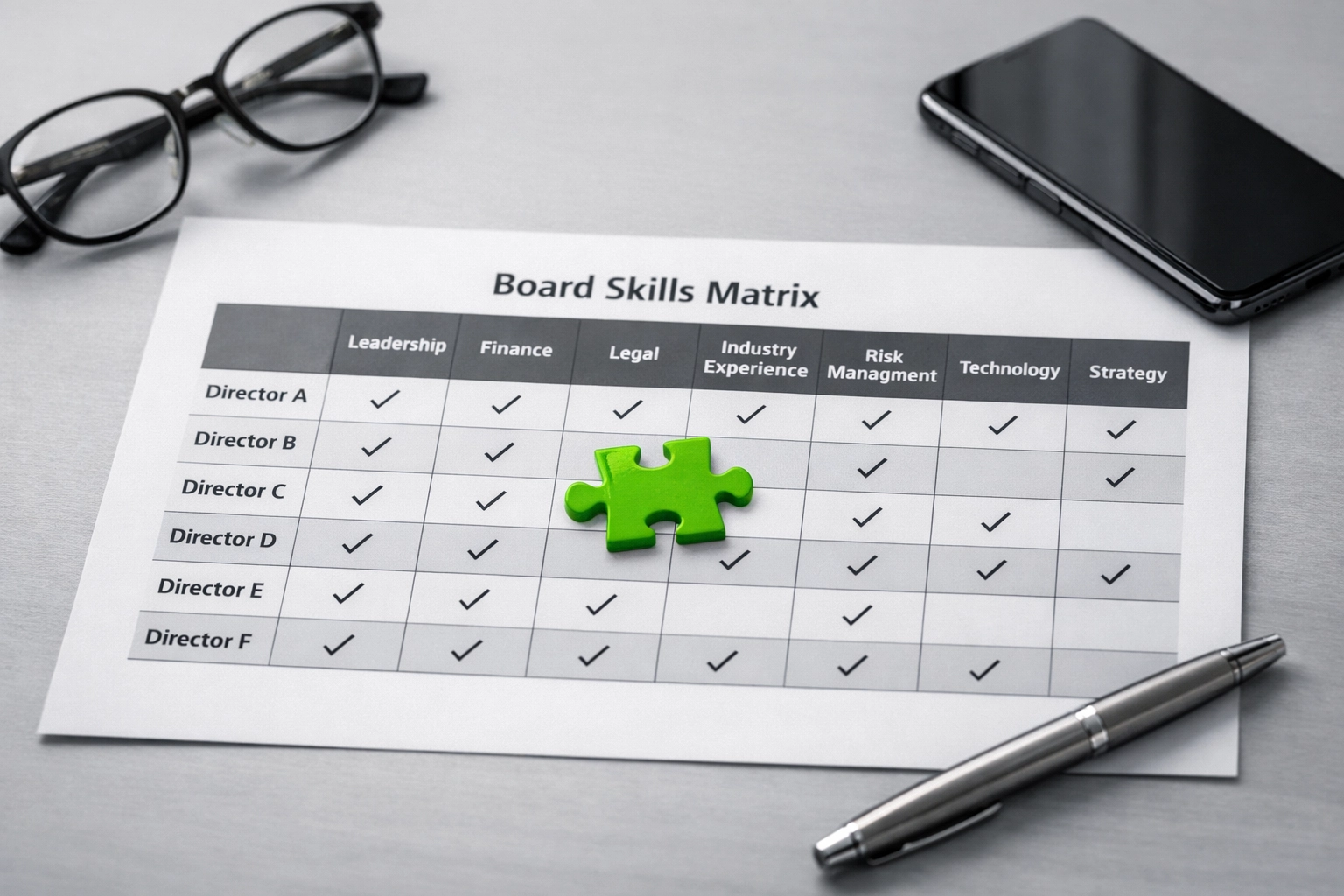
This is a tough one to swallow. Sometimes, disengagement happens because you have the wrong mix of skills or personalities. If your board is 100% lawyers and no one understands marketing or community outreach, you’re going to have massive blind spots.
The Fix: Use a Board Skills Matrix. Map out the skills you currently have and the ones you desperately need. This makes recruitment intentional rather than "whoever happens to be my neighbor."
6. Lack of Social Glue
We often forget that boards are teams. If the only time your board members see each other is across a formal conference table, they won’t develop the trust necessary to have difficult strategic conversations.
The Fix: Add a social component. Whether it’s a 15-minute coffee "mixer" before the meeting starts or an annual board retreat, building personal connections is the "secret sauce" of engagement. When people like and trust each other, they show up.
7. The CEO-Board Relationship is "Complicated"
If the relationship between the Executive Director and the Board Chair is strained or non-existent, the rest of the board will feel it. Tension at the top leads to hesitation at the bottom. Conversely, if the ED is too controlling, the board feels like a "rubber stamp" and stops trying to contribute.
The Fix: Transparency is your best friend. Schedule regular, informal check-ins with your Board Chair outside of formal meetings. Building a partnership based on radical candor allows you to navigate organizational health challenges together.

8. They Don't Feel Needed
High-level executives don't want to show up just to say "aye" to everything. They want to use their expertise to solve problems. If you aren't giving them "meaty" projects or asking for their specific advice, they’ll start to feel like their time is being wasted.
The Fix: Give them an "Assignment." This doesn't mean more work, it means giving them a specific challenge to chew on. "We are struggling with staff retention; based on your corporate experience, what are we missing?"
Actionable Tip: Use your board committees effectively. Don't just have them for show. Give each committee a clear goal for the year that aligns with your strategic goals.
9. No Path for Growth (or Exit)
Board fatigue is real. If a member has been on the board for eight years and there’s no end in sight, they will inevitably coast. On the flip side, if there’s no clear path to leadership (like becoming the Vice Chair), ambitious members may lose interest.
The Fix: Enforce term limits. Yes, it’s scary to lose "institutional knowledge," but fresh blood is the lifeblood of engagement. Term limits allow people to exit gracefully before they burn out and allow new perspectives to enter.
10. The Fear of the "Ask"
Many board members are terrified of fundraising. If they think "engagement" means "asking my friends for money every day," they will run for the hills.
The Fix: Redefine fundraising as "Relationship Building." Help them understand that they don't always have to be the one asking for the check; they can be the one opening the door, hosting a small gathering, or saying thank you to donors.
Actionable Tip: Provide a "Menu of Engagement." Let them choose how they want to help, some might want to help with grant strategy, while others might prefer networking.

The Bottom Line: Engagement is an Investment
At GladED Leadership Solutions, we’ve seen it time and again: a disengaged board isn't a "bad" board; it’s usually just an unguided one. Leading a nonprofit is hard enough, you shouldn't have to do it without a functional team behind you.
Improving board engagement isn't about one grand gesture. It’s about the small, consistent shifts in how you communicate, how you meet, and how you value their time. When you treat your board as true strategic partners, you stop being a solo act and start being a movement.
Are you ready to stop the "guessing games" and start building a board that actually works? Whether you need a full board retreat or one-on-one leadership coaching to navigate these dynamics, we’re here to help you bridge the gap. Let’s turn those "crickets" into a chorus of support.
Which of these ten hurdles is your board facing right now? Sometimes, identifying the "why" is the hardest part. If you’re looking for a deeper dive into organizational effectiveness, check out our leadership development workshops to get your team back on track.
References
Hedges, H. (2024). 4 Reasons Why Your Board is Disengaged (And How to Fix It). Hello Hedges.
Canadian NonProfit Academy. (2025). The Board Engagement Gap: Why Directors Pull Away.
GladED Leadership Solutions. (2026). Internal Frameworks for Mission-Driven Governance.
Robinson Bruner, N. (2025). The ROI of Strategic Board Alignment.


Comments